Chapter four Sustainability signals: intent vs. booking reality

Sustainability is becoming more and more of a business imperative. No longer a nice-to-have, it has transformed into a top business priority and talent driver. 70% of Gen Z want to work for employers who share their values, and 94% say sustainability drives them2. But right now, there’s still a gap: good intentions aren’t always making it into everyday travel decisions for employees or managers.


Please fill out the form to access the full report

What travellers say (and what they choose)

Employees say they want to make sustainable choices.

65%

want to book electric vehicles (77% for the C-suite).

54%

want their company to track carbon emissions.

7%

put sustainability in their top three booking factors.

What managers are doing (plus must-know business wins)

Sustainability programmes are advancing.

54%

of managers are actively tracking and working to reduce ground-transport emissions.

26%

say they would set formal goals if their tracking capabilities improved.

Why behaviour lags: three operational blockers

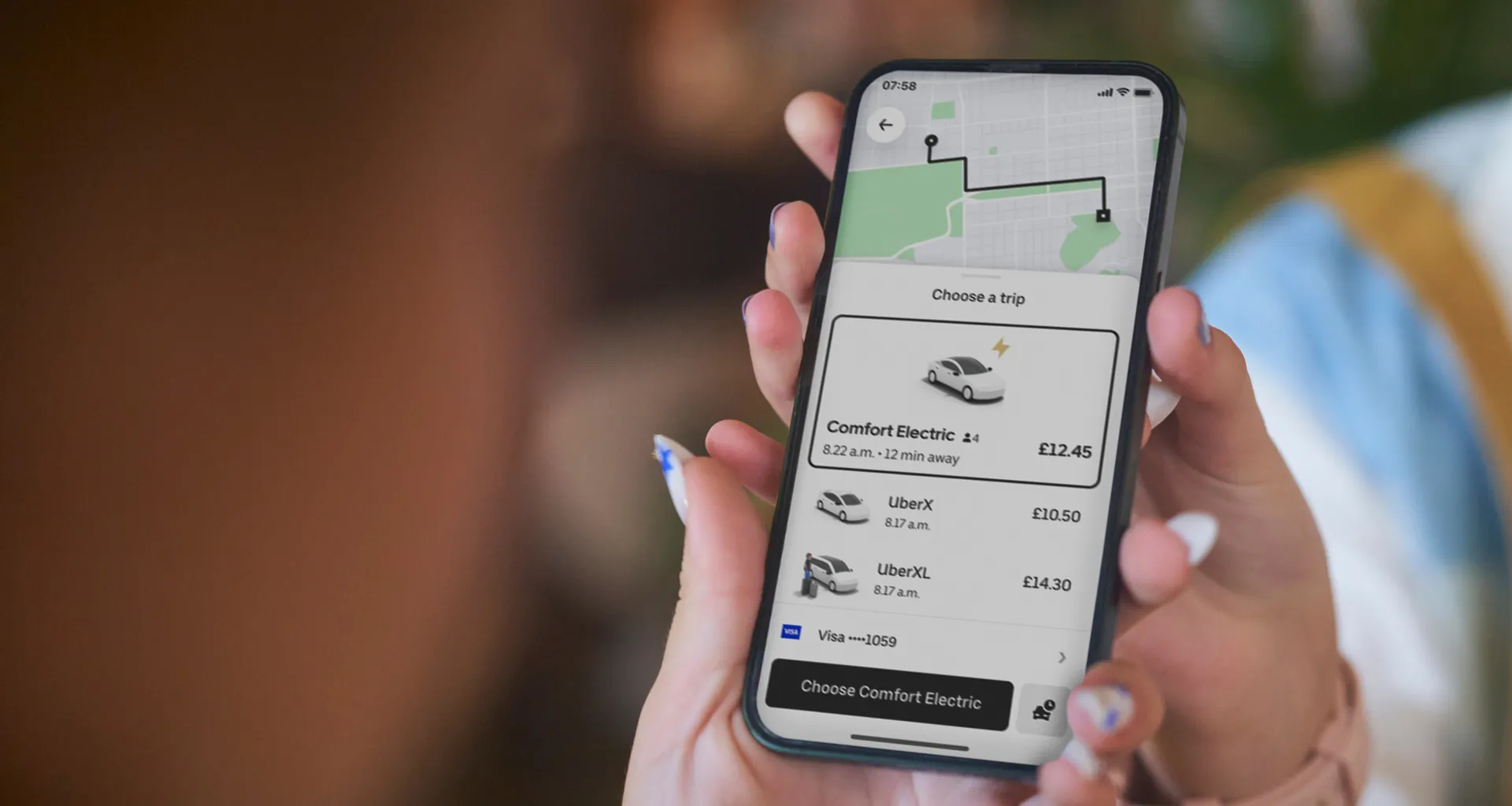
Availability and certainty: Lower-emission vehicle availability varies by time, location, and trip type. If travellers can’t see dependable options (and likely ETAs) in policy-approved channels, they default to what feels fastest at the moment.
Visibility at booking: If emissions information isn’t surfaced alongside time and price in the approved channel, sustainability becomes an abstract preference rather than a live factor in selection.
Accountability through capture: Without complete trip capture, programs can’t set defaults or report confidently, removing the levers that turn intent into consistent behaviour.

Platform unification holds the key to real progress.

Among organisations that include ride-hailing as part of their travel programme:

  • 73% identify sustainability as one of their top three reasons for adoption.
  • Compared to just 36% among those not using ride-hailing.

This underscores that, with the right tools in place, sustainability ambitions are more likely to become operational reality.

Key Takeaway:

Turning sustainability intent into action is possible and within reach. When organisations make lower-emission options visible and easy to choose, every booking becomes a chance to deliver on climate goals.

Friction and risk

See previous chapter

Closing the gaps

See next chapter